Catherine Pierce Poems, essays, and readings from the writing desk

Catherine Pierce

Poems, essays, and readings from the writing desk

Latest Articles

Hum and Whirr: Notes on the Coin-Operated Muse
Essays on Craft

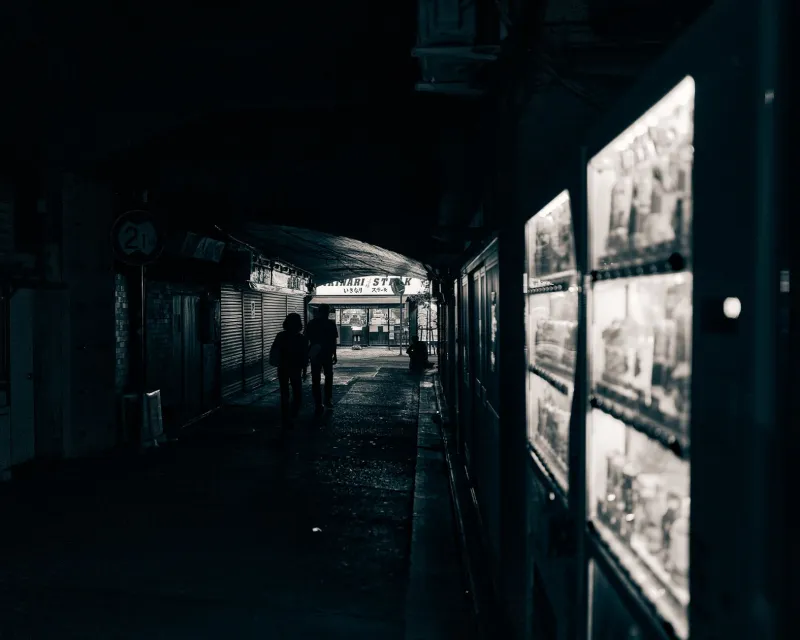
Hum and Whirr: Notes on the Coin-Operated Muse

The ATM vestibule, the self-checkout lane, the snack machine blinking in a hospital corridor—these are the unexpected chapels of American solitude. An argument for the machine-adjacent spaces where the lyric mind does its quietest work.


Opening With the Sky: An Audit of My Weather-Logged Drafts
Essays on Craft

Opening With the Sky: An Audit of My Weather-Logged Drafts

I counted every unpublished poem in my files that begins with the weather, and the number embarrassed me. This essay asks whether rain and snow are clichés to be abandoned or an inheritance we owe an honest accounting.

Thirty Seconds of My Voice: What I Learned Reading Poems Into a Phone
The Writing Life

Thirty Seconds of My Voice: What I Learned Reading Poems Into a Phone

When I began posting half-minute recordings of my poems online, I expected to lose the room. Instead, I lost my assumptions — about attention, about brevity, and about who is actually listening.

Dial Tone Drafts: A Decade of Leaving Poems to Myself
The Writing Life

Dial Tone Drafts: A Decade of Leaving Poems to Myself

For years I have called my own number from the road and read half-finished poems into the silence after the beep. What began as a memory crutch has become an archive of several hundred spoken drafts. This essay considers what the voice does to a poem, and why I keep most of those recordings untranscribed.

Fluorescent Light, Numbered Tickets: Why My Best Drafts Smell Like Waiting Rooms
Essays on Craft

Fluorescent Light, Numbered Tickets: Why My Best Drafts Smell Like Waiting Rooms

An argument for the DMV, the urgent care lobby, and the oil change bay as legitimate — even privileged — sites of composition. Boredom, I've come to believe, is an underrated poetic resource.

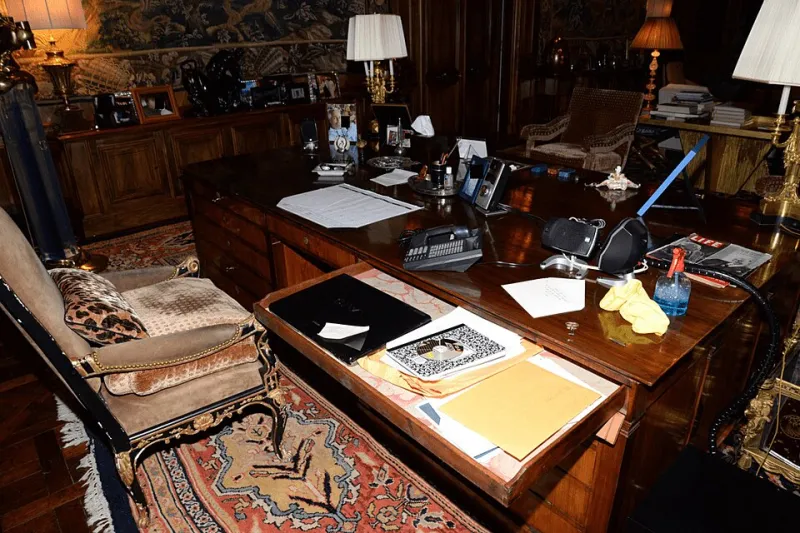
The Desk Is a Lie: Composing Poems Between the Interstate and the Checkout Line
Essays on Craft

The Desk Is a Lie: Composing Poems Between the Interstate and the Checkout Line

For years I believed a poem required the proper furniture — the desk, the lamp, the unhurried morning. Then I wrote an entire collection in traffic, waiting rooms, and grocery lines, and learned that the writing desk may be the most persistent superstition in American poetry.

Borrowed Cadence: What My Grandmother's Kitchen Taught Me About the Line Break
Essays on Craft

Borrowed Cadence: What My Grandmother's Kitchen Taught Me About the Line Break

Long before I studied prosody, I studied a woman in a Mississippi kitchen who could make a grocery list sound like scripture. This essay traces several of my published lines back to her speech and asks what it means to write in a voice you didn't choose.

Grand Larceny at the Hardware Store: On Poaching Language from Strangers
Essays on Craft

Grand Larceny at the Hardware Store: On Poaching Language from Strangers

Every poet I know is a thief; some of us are simply more honest about the rap sheet. Here is my confession: four stolen phrases, four heists, and the poems they became.

Emergency Verse: Why I Carry Three Poems in My Head Like Folded Twenties
Essays on Craft

Emergency Verse: Why I Carry Three Poems in My Head Like Folded Twenties

Memorized poems surface when we need them most—during the long wait for a root canal, the fluorescent purgatory of jury duty, the DMV line that refuses to move. This essay argues that memorization is a survival skill modern readers have let lapse, and offers a case for keeping a small canon in the body.

A Ledger of Small Debts: The Names I Keep in the Back of My Poetics Handbook
The Writing Life

A Ledger of Small Debts: The Names I Keep in the Back of My Poetics Handbook

Every writer carries unglamorous debts: the librarian who special-ordered a chapbook, the student whose question split a stalled poem open. This essay argues for a literal gratitude ledger and reads a few entries aloud, turning a private habit into a meditation on literary community.

Shelved by Sorrow: What My Bookcases Know That I Don't
Essays on Craft

Shelved by Sorrow: What My Bookcases Know That I Don't

Somewhere between the alphabet and the Dewey Decimal System, poets develop their own private shelving logic — mine runs on grief, influence, and the weather of particular years. A craft essay on what our arrangements of books reveal about our interior maps.

Smuggled Onto the Syllabus: My Season Infiltrating a Suburban Book Club
The Writing Life

Smuggled Onto the Syllabus: My Season Infiltrating a Suburban Book Club

When I joined a book club that had never once discussed a poem, I did what any insecure poet would do: I rigged the vote. What followed was three months of learning how my work sounds when it is stripped of every comfortable term of art.

Fifty Dollars and a Glass of Wine: The Honest Ledger of a Poetry Reading
The Writing Life

Fifty Dollars and a Glass of Wine: The Honest Ledger of a Poetry Reading

What does a night of poetry actually pay? I kept receipts for a full year of readings across the country — honorariums, mileage, parking, the paperbacks I sold at a loss — and the arithmetic is humbler than our MFA programs admit. This is the spreadsheet, the interviews, and the uncomfortable conclusion.

Ten Years Later, My Poems Have Been Living Without Me
The Writing Life

Ten Years Later, My Poems Have Been Living Without Me

A published poem is a child who grows up and moves out. Revisiting work from a decade ago, I find strangers wearing my handwriting — and sometimes, unexpectedly, myself.

The Notebook Calendar: Confessions of a Poet Who Drafts in October and Rests in July
The Writing Life

The Notebook Calendar: Confessions of a Poet Who Drafts in October and Rests in July

After a decade of notebooks, a pattern emerged I could no longer deny: my drafts have a calendar, and it does not match the one hanging in my kitchen. An argument for the academic-year writing life — and against the tyranny of the productive summer.

Three Rooms, One Poem: Notes from the Strange Country Between Draft and Publication
Essays on Craft

Three Rooms, One Poem: Notes from the Strange Country Between Draft and Publication

A poem is not finished when we say it is; it is finished when strangers stop flinching in the wrong places. This essay follows a single sonnet through three workshop rooms — a university seminar, an online critique group, and a church-basement open mic — to ask when outside eyes sharpen a poem and when they sand away its strangeness.

Seven Words I Cannot Escape: An Audit of My Lexical Fingerprints
Essays on Craft

Seven Words I Cannot Escape: An Audit of My Lexical Fingerprints

A word-frequency count across my four collections revealed that a handful of nouns and verbs appear with an insistence that borders on compulsion. What I found wasn't laziness but a map of the subconscious — and a case for treating obsessions as signature rather than shame.

Pencil Confessions: Reading My Own Marginalia Like a Stranger's Diary
The Writing Life

Pencil Confessions: Reading My Own Marginalia Like a Stranger's Diary

Twenty years of penciled arguments, coffee rings, and half-legible questions live in the poetry shelves of my house. When I finally read them as a body of work rather than isolated scribbles, they told me more about my development as a writer than any workshop report ever has.

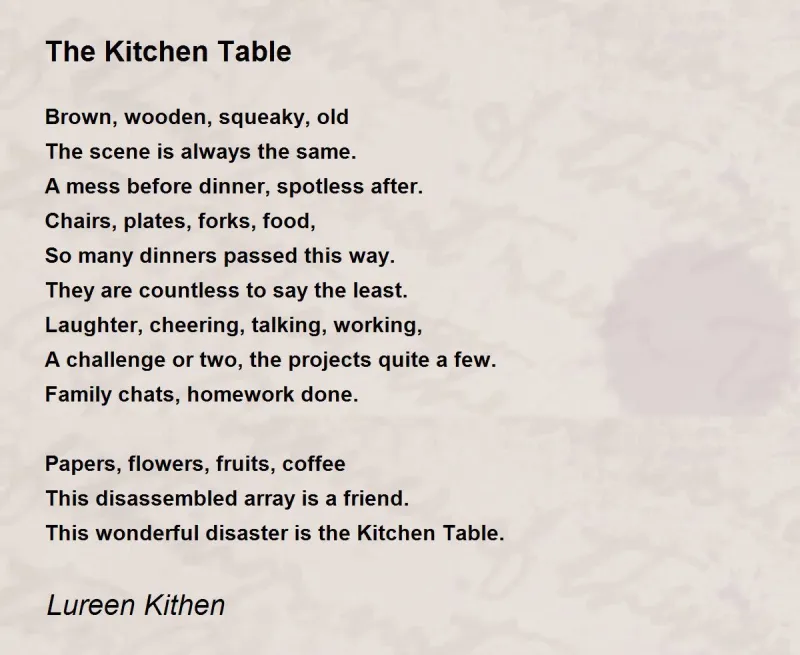
The Toughest Room Is the Kitchen Table: Reading Your Poems to the People Who Know You
Essays on Craft

The Toughest Room Is the Kitchen Table: Reading Your Poems to the People Who Know You

A poet can face two hundred strangers with equanimity, but tremble at the thought of reading a new poem aloud to her husband. This essay considers why the people who love us are our most unforgiving audience, and what their silence teaches us about craft that no auditorium ever will.

Five Years in a Drawer: The Slow Education of One Poem
The Writing Life

Five Years in a Drawer: The Slow Education of One Poem

Every poem lives a secret second life between its last revision and its first appearance in print. Here, one poem's five-year passage through submission queues and desk drawers becomes a meditation on what delay does to a poem — and to the poet who waits for it.