Emergency Verse: Why I Carry Three Poems in My Head Like Folded Twenties
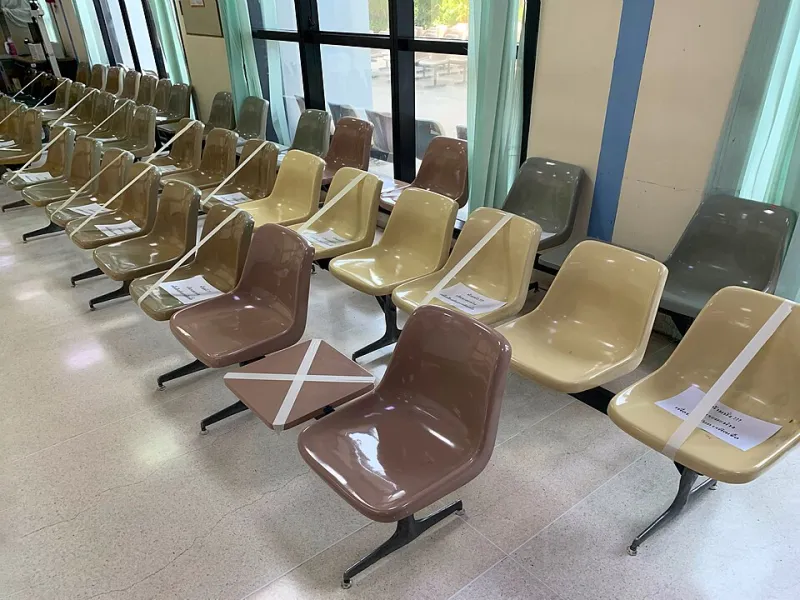
Photo: Chainwit., CC BY-SA 4.0, via Wikimedia Commons
The dental hygienist has left the room. The nitrous hisses somewhere behind me, and the overhead light has been dimmed to a clinical dusk. I am alone with the sound of my own pulse and a ceiling tile I have now memorized, and this is when Wilfred Owen arrives.
Not Owen the textbook entry, not the Owen of the annotated anthology from graduate school—Owen as I have him stored, line by line, in the muscle of my jaw and the rhythm of my breathing. "Bent double, like old beggars under sacks." The poem unspools itself without my permission. It has done this in a DMV line in Jackson. It has done this during the second hour of a jury selection afternoon, wedged between a divorce attorney and a man selling cars, both of us waiting to be called or dismissed. It has done this in hospital corridors that smelled of antiseptic and something floral deployed to disguise the antiseptic.
I did not choose these poems deliberately, or at least I did not choose them for this purpose. But somewhere along the way, I realized what I had: a small, portable canon that requires no battery, no signal, no shelf. Emergency verse. Folded twenties in the pocket of the mind.
The Lost Art of Carrying Language
Americans used to memorize the way we used to write letters. Schoolchildren recited Longfellow and Bryant; farmers quoted the Psalms across fence posts; my grandmother could produce, on request, the entirety of "The Cremation of Sam McGee," a poem she learned in a one-room schoolhouse in the 1930s and never needed a page for again.
We have largely retired this skill, and I understand why. Why commit lines to memory when the complete works of everyone are in your pocket? But there is a difference between having access to a poem and having a poem. The one on the screen is information. The one in the body is a possession—something the way a scar is a possession, or a song you cannot stop humming.
Memorization teaches you things that reading cannot. You learn where the poem breathes. You learn which line is load-bearing, because it is the one you stumble on, the one your mouth wants to skip. You learn that enjambment is not a term but a physical event, a held breath before the drop. When I teach, I tell my students that memorizing a poem is the closest they will come to writing it without writing it.
What the Waiting Room Knows
There is a particular quality to institutional waiting—the dentist's office, the courthouse, the Department of Motor Vehicles, the surgical waiting area where families sit in rows like a jury of grief. These rooms are designed to suspend you. They take your phone eventually, or your phone loses its grip on you, or the anxiety is simply too loud for the screen to compete with.
This is when the memorized poem earns its keep. Not as entertainment, exactly, but as a handhold. The poem gives the waiting a shape. It converts dead time into inhabited time. I have recited Elizabeth Bishop's "One Art" so many times in waiting rooms that the villanelle's repetitions feel less like a formal device and more like a coping mechanism—which, of course, is exactly what the poem argues loss is: a practice, a disaster you get better at.
I notice, too, which poems volunteer. The ones I carry are not the ones I admire most in print. They are the ones with a heartbeat I can match my own to. Owen stays because the rhythm is a march and marches get you through corridors. Bishop stays because the form is a trapdoor that keeps opening under the speaker, and watching someone else fall gracefully steadies you. The third is a short Dickinson—"I'm Nobody! Who are you?"—which I memorized at nine and which surfaces in any room where I feel like a number on a clipboard.
A Practical Argument for Writers
Here is my recommendation, and I mean it as practical advice rather than piety: every writer should keep three poems in their head the way one keeps emergency cash. Not the poems you think you should honor—the long, the canonical, the impressive—but poems small enough to survive your forgetfulness and strong enough to hold you up.
The criteria, as I have come to understand them: the poem must be short, or built of short repeatable units; it must have a rhythm your body can trust when your thoughts cannot be trusted; and it must mean something to you at a depth that survives indifference. You are not memorizing for a quiz. You are memorizing for the MRI, the delayed flight, the night the news is unbearable and the news will be unbearable again.
Choose poems the way you would choose a companion for a long walk. Then practice them the way you practice anything you want available under pressure—in the shower, on the highway, in line at the pharmacy. Say them aloud. Poems memorized silently are fragile; poems memorized in the voice take up residence.
The Canon in the Body
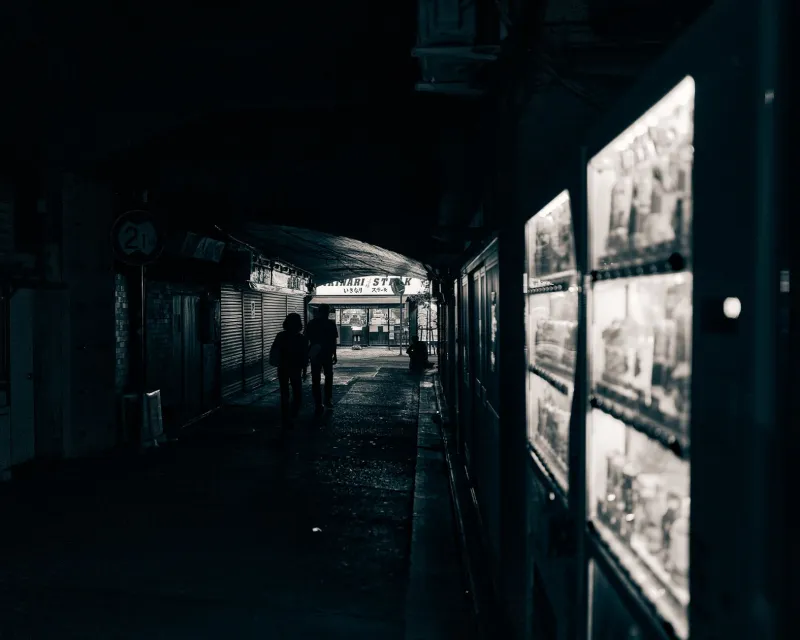
What strikes me most about my waiting-room canon is that it has made me a different reader of the poems I still keep on shelves. I understand now that a poem memorized is not finished with you. It revises itself in recitation. It acquires the acoustic history of every room where you have said it—the courtroom's bad sound system, the hygienist's returning footsteps, the hum of the vending machine outside the county clerk's office.
Verse lives in the body, not the library. The library is where poems wait. The body is where they happen. And in a country that keeps manufacturing new rooms designed to make us wait—to make us into numbers, into cases, into names called over a speaker—the memorized poem is a small act of sovereignty. It is the one possession no waiting room can hold at the door.
So choose your three. Fold them into yourself like twenties in a coat pocket. You will forget you have them until the day you need them, and then, in some fluorescent corridor that smells of antiseptic, an old beggar under sacks will appear beside you, bent and marching, and you will not be alone in the wait.