Fluorescent Light, Numbered Tickets: Why My Best Drafts Smell Like Waiting Rooms
The poem in my book that readers most often ask about was drafted on the back of a Jiffy Lube invoice. I rarely lead with that fact at readings, but I've stopped hiding it. For years I subscribed to the mythology of the ideal writing conditions — the quiet study, the morning pages, the candle if you must — and for years those conditions produced, in my case, mostly anxiety about the conditions themselves. What finally loosened something in my work was a series of fluorescent-lit lobbies where I had nothing to do but sit.
The Case for Enforced Stillness
Consider what the waiting room actually offers a poet. First, there is the gift nobody asked for: time with no possible productive use. You cannot leave. You cannot accomplish anything else. The oil change takes forty-five minutes whether you fret about it or not, and so the mind, denied its usual errands, does what minds do — it drifts, it notices, it begins to compose.
Second, there is the audience. Where else in American life are strangers gathered this way? Not the airport, where everyone performs their destination. Not church, where everyone performs their faith. But the DMV on a Tuesday afternoon is a room of unguarded people: the teenager failing his third permit test, the man asleep under a cap embroidered with his own name, the woman who has arranged her documents in the order she believes will speed things along. They are, for the length of a numbered ticket, a congregation.
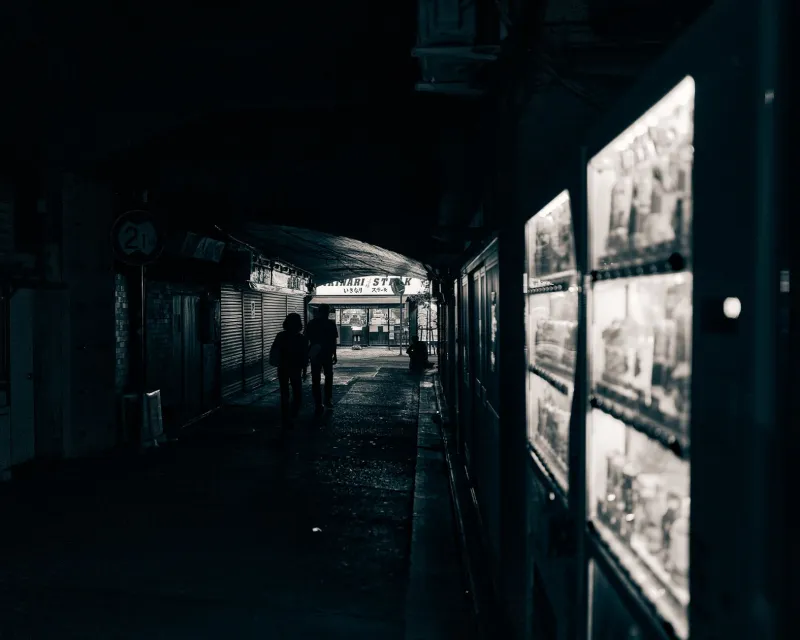
I drafted a poem called "Window 4" in just such a room, watching a clerk hand back a license with what I can only describe as tenderness. Another poem, later cut entirely, came from the vending machine at an urgent care in Hattiesburg — a machine whose buttons for C7 and C8 had been worn blank, which struck me as a small American elegy even if the poem never earned it.
The Ethics of the Nearby Stranger
I want to be honest about the discomfort here, because writing about people who cannot consent to being observed is a real ethical question, not a rhetorical one. My own rule has evolved into something like this: I write what the stranger gives me, not who the stranger is. The sleeping man at the DMV can stand in for sleep, for surrender, for the strange dignity of napping in public — but he does not become a character with a name, a backstory, a failure I've invented for him. The moment a poem needs to know more about a person than a lobby could tell me, I owe that person the privacy of leaving them out.
There is also the practical matter of being caught. I have made eye contact with a subject mid-sentence, and the only remedy I know is a small nod — the acknowledgment that we are both stuck here, and one of us is taking notes.
Building a Dead-Time Practice
For those persuaded but unsure where to begin, a few practical notes from a decade of lobby-composing:
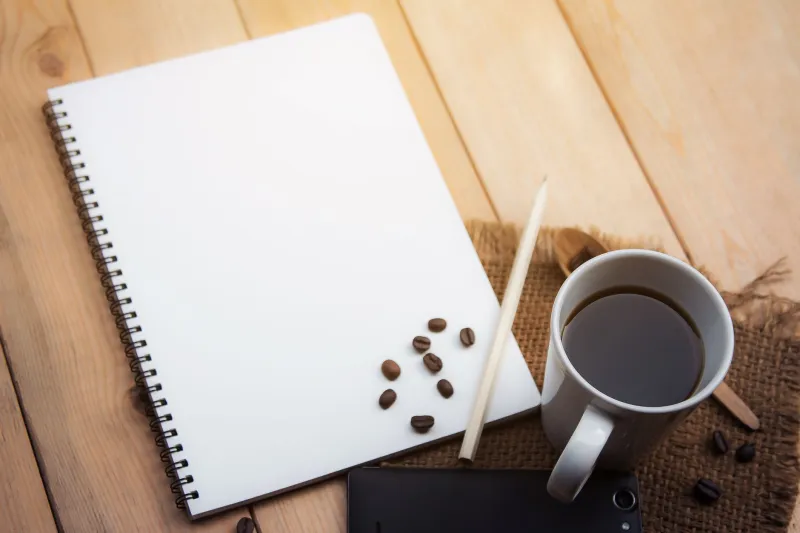
- Carry the humblest possible materials. A pocket notebook or, failing that, the back of any document. Fancy notebooks invite performance; receipts invite honesty.
- Set a quota of observation, not lines. Before drafting, name five specific things in the room. The specifics will do the composing for you.
- Write badly on purpose. Waiting-room drafts should be permitted to be terrible. The stakes are low; that is the entire point.
- Reread in a different room. Some lobby drafts are only lobby drafts. Others, reread at the desk a month later, turn out to have been waiting for you all along.
Against the Ideal Study
I don't mean to suggest the quiet room has no value — I have one, and I use it. But the desk can become a place where we wait for the poem to arrive with credentials. The waiting room makes no such demand. It hands you a plastic chair, a bad fluorescent hum, and an hour you did not choose, and it asks only that you pay attention. In my experience, that is closer to the actual job of the poet than almost anything else I do at the desk.
So the next time the mechanic says it'll be an hour, or the screen above Window 4 blinks your number, consider it an appointment. Bring a pen. The muse, it turns out, has terrible taste in real estate — and that is precisely why she's still available to the rest of us.