Catherine Pierce Poems, essays, and readings from the writing desk

Catherine Pierce

Poems, essays, and readings from the writing desk

Latest Articles

Fifty Dollars and a Glass of Wine: The Honest Ledger of a Poetry Reading
The Writing Life

Fifty Dollars and a Glass of Wine: The Honest Ledger of a Poetry Reading

What does a night of poetry actually pay? I kept receipts for a full year of readings across the country — honorariums, mileage, parking, the paperbacks I sold at a loss — and the arithmetic is humbler than our MFA programs admit. This is the spreadsheet, the interviews, and the uncomfortable conclusion.

Ten Years Later, My Poems Have Been Living Without Me
The Writing Life

Ten Years Later, My Poems Have Been Living Without Me

A published poem is a child who grows up and moves out. Revisiting work from a decade ago, I find strangers wearing my handwriting — and sometimes, unexpectedly, myself.

The Notebook Calendar: Confessions of a Poet Who Drafts in October and Rests in July
The Writing Life

The Notebook Calendar: Confessions of a Poet Who Drafts in October and Rests in July

After a decade of notebooks, a pattern emerged I could no longer deny: my drafts have a calendar, and it does not match the one hanging in my kitchen. An argument for the academic-year writing life — and against the tyranny of the productive summer.

Three Rooms, One Poem: Notes from the Strange Country Between Draft and Publication
Essays on Craft

Three Rooms, One Poem: Notes from the Strange Country Between Draft and Publication

A poem is not finished when we say it is; it is finished when strangers stop flinching in the wrong places. This essay follows a single sonnet through three workshop rooms — a university seminar, an online critique group, and a church-basement open mic — to ask when outside eyes sharpen a poem and when they sand away its strangeness.

Seven Words I Cannot Escape: An Audit of My Lexical Fingerprints
Essays on Craft

Seven Words I Cannot Escape: An Audit of My Lexical Fingerprints

A word-frequency count across my four collections revealed that a handful of nouns and verbs appear with an insistence that borders on compulsion. What I found wasn't laziness but a map of the subconscious — and a case for treating obsessions as signature rather than shame.

Pencil Confessions: Reading My Own Marginalia Like a Stranger's Diary
The Writing Life

Pencil Confessions: Reading My Own Marginalia Like a Stranger's Diary

Twenty years of penciled arguments, coffee rings, and half-legible questions live in the poetry shelves of my house. When I finally read them as a body of work rather than isolated scribbles, they told me more about my development as a writer than any workshop report ever has.

The Toughest Room Is the Kitchen Table: Reading Your Poems to the People Who Know You
Essays on Craft

The Toughest Room Is the Kitchen Table: Reading Your Poems to the People Who Know You

A poet can face two hundred strangers with equanimity, but tremble at the thought of reading a new poem aloud to her husband. This essay considers why the people who love us are our most unforgiving audience, and what their silence teaches us about craft that no auditorium ever will.

Five Years in a Drawer: The Slow Education of One Poem
The Writing Life

Five Years in a Drawer: The Slow Education of One Poem

Every poem lives a secret second life between its last revision and its first appearance in print. Here, one poem's five-year passage through submission queues and desk drawers becomes a meditation on what delay does to a poem — and to the poet who waits for it.

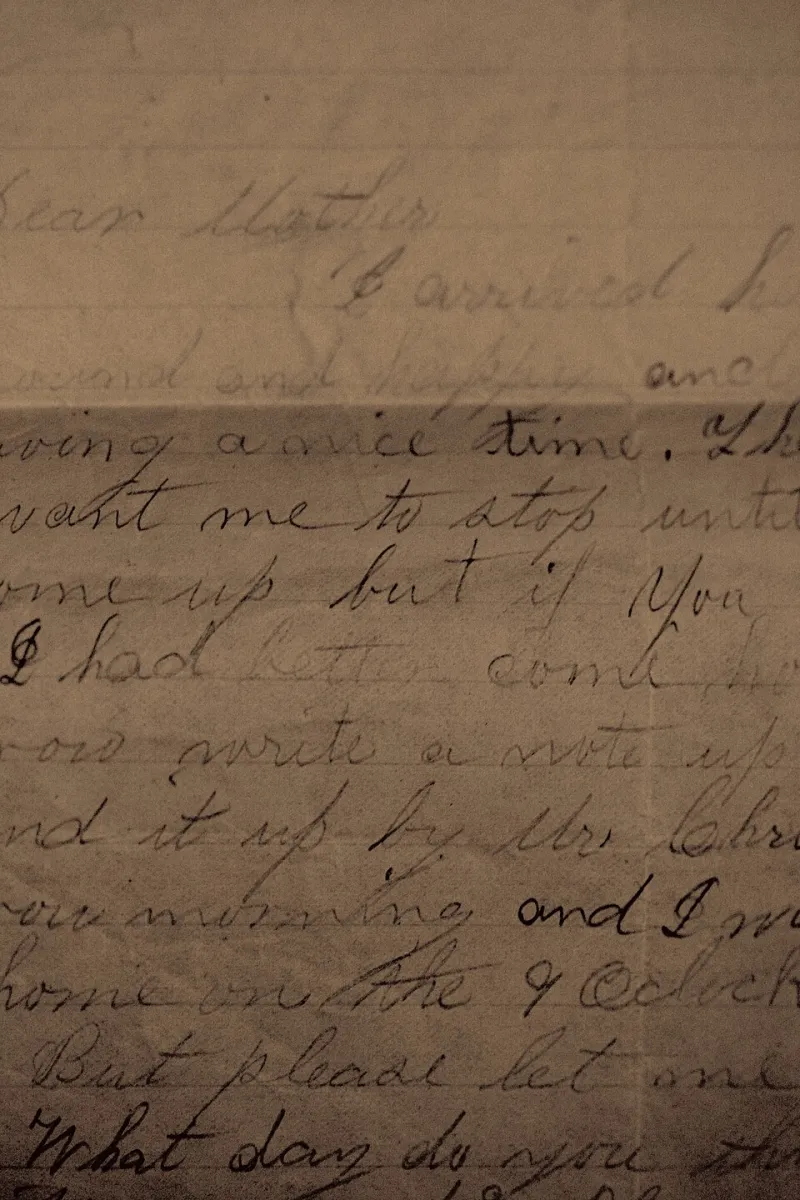
Correspondence with the Dead: On Writing Letters That Require No Stamp
The Writing Life

Correspondence with the Dead: On Writing Letters That Require No Stamp

For twenty years I have written letters to poets who cannot answer me—Bishop, Wright, Clifton—and I have come to believe this one-sided correspondence is the most honest audience a writer can have. Addressing the dead teaches us something the living cannot: how to speak with total sincerity and no expectation of reply.

Five Poems That Broke Me Open: A Personal Map of Poetic Lineage
Essays on Craft

Five Poems That Broke Me Open: A Personal Map of Poetic Lineage

Every poet carries a private anthology—the handful of poems that permanently rearranged their sense of what a poem could do. Here are the five that rewired mine, with close readings and the stories of where I first met them, offered as a model for mapping your own lineage.

The Archaeology of Abandoned Poems: Excavating a Decade of Discarded Drafts
Essays on Craft

The Archaeology of Abandoned Poems: Excavating a Decade of Discarded Drafts

Ten years of failed drafts sat in my filing cabinet like sediment layers. When I finally read through them all, I found the poems I was afraid to write hiding in plain sight.

Seven Ways to Survive the Microphone: A Field Guide for the Reluctant Reading Voice
The Writing Life

Seven Ways to Survive the Microphone: A Field Guide for the Reluctant Reading Voice

Every open mic has one: the poet who reads too fast, apologizes too much, or loses the poem entirely to nerves. Here is the checklist I wish someone had handed me before my first reading in a Tuscaloosa coffee shop.

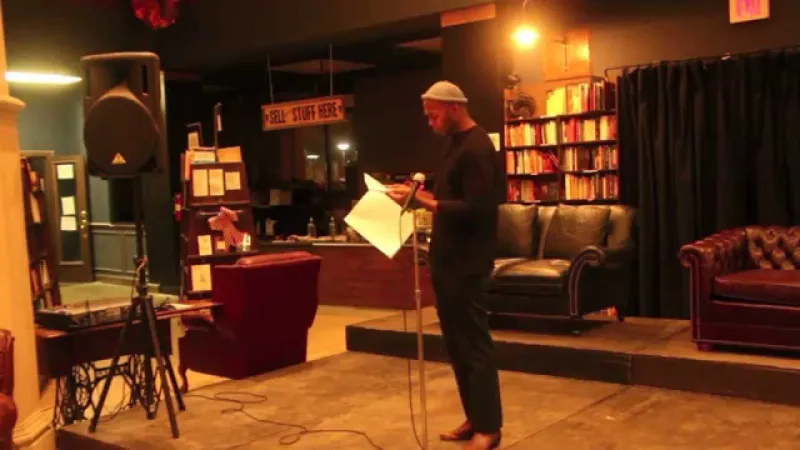
The Sleeping Dog Audience: Notes from a Decade of Reading Poems to Strangers
The Writing Life

The Sleeping Dog Audience: Notes from a Decade of Reading Poems to Strangers

Libraries, bookstores, one memorable backyard in Louisiana — I have read my poems to crowds of two hundred and crowds of three, one of whom was a dog. What the unglamorous poetry reading circuit taught me, and why live verse still matters in the age of the scroll.

A Year in Stacks: Confessions of a Poet Who Cannot Stop Buying Books
Essays on Craft

A Year in Stacks: Confessions of a Poet Who Cannot Stop Buying Books

Every book on my desk earned its place — some through careful intention, others by accident of a rainy afternoon in a Mississippi bookstore. A reflection on how reading feeds the writing life without swallowing it whole, plus a tour of the ten titles currently holding down my writing desk.